


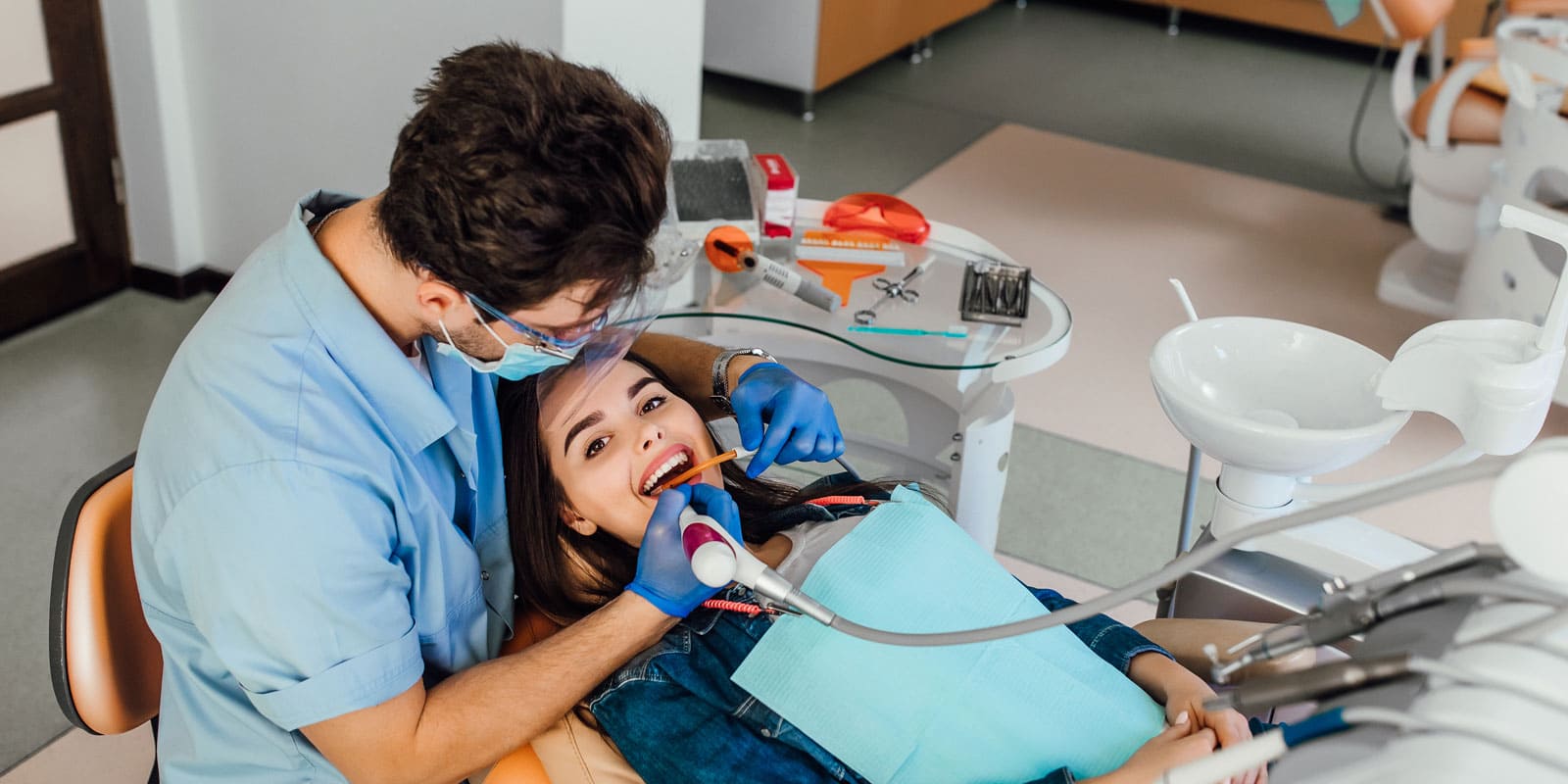
The dental implant rate you pay depends more on location and provider than the procedure itself. Many patients pay between three thousand and six thousand dollars per implant. Prices in major cities run higher than smaller towns. Understanding what drives these costs helps you plan and compare options effectively.
What Drives the Dental Implant Rate in Different Markets
Geographic location changes what dental offices charge for the same work. A single implant in New York City costs seven thousand dollars on average. The same procedure in rural Arizona might cost four thousand dollars. Overhead expenses like rent and staff salaries push urban prices higher.
Dentist experience also affects the dental implant rate you see quoted. A specialist with twenty years of implant work charges more than a general dentist. That premium buys skill and fewer complications. Most patients find the investment worthwhile when recovery goes smoothly.
Lab fees add another layer to total costs. Custom abutments and crowns come from dental labs that set their own prices. High-quality materials cost more but last longer. Cheap crowns crack or discolor within five years.
How the Dental Implant Rate Breaks Down by Component
The implant post itself represents only part of your total bill. This titanium screw anchors into your jawbone. It typically costs between one thousand and two thousand dollars. Placement surgery adds another fee on top of that amount.
The abutment connects the post to the visible crown. This small connector piece runs three hundred to five hundred dollars. Some systems use stock abutments while others require custom milling. Custom options fit better but increase your final cost.
Crown fabrication completes the restoration. A quality porcelain crown costs one thousand to three thousand dollars. Cheaper materials like resin composite wear down faster. You’ll replace them sooner and spend more over time.
Bone grafting sometimes becomes necessary before implant placement. Insufficient jaw density prevents the post from anchoring properly. Grafts add one thousand to three thousand dollars to your treatment. Healing from grafts delays implant placement by three to six months.
Why Some Dental Implant Rate Quotes Seem Suspiciously Low
Discount implant offers often hide costs in fine print. A nine hundred dollar quote might cover only the surgical placement. The abutment and crown get billed separately at regular prices. You end up paying the same total amount.
Overseas dental tourism markets implants at half the domestic dental implant rate. Clinics in Mexico and Costa Rica charge two thousand dollars all-in. Travel costs and follow-up challenges offset some savings. If complications arise, your local dentist may refuse to treat them.
Dental schools provide implants at reduced rates through student clinics. Supervised students perform the work under faculty oversight. Appointments take longer and require more visits. Patients save thirty to fifty percent compared to private practice fees.
Chain dental offices advertise low starter prices to get patients through the door. The quoted dental implant rate covers basic cases only. Complex situations requiring grafts or sinus lifts cost significantly more. Always ask for a complete treatment plan in writing.
What Insurance Actually Covers in the Dental Implant Rate
Most dental insurance plans treat implants as cosmetic procedures. They deny coverage even when a missing tooth affects function. Some policies cover a percentage after you meet your annual deductible. The typical plan caps benefits at one thousand to two thousand dollars yearly.
Medical insurance occasionally pays for implants after accidents or disease. Trauma from a car crash might qualify for coverage. Cancer treatment that destroys jaw tissue sometimes meets medical necessity criteria. You need detailed documentation from both your dentist and physician.
Discount dental plans work differently than insurance. You pay an annual membership fee for reduced rates at network providers. These plans cut the dental implant rate by ten to thirty percent. They work best when you need extensive treatment beyond one implant.
How the Dental Implant Rate Compares to Other Replacement Options
Traditional bridges cost less upfront than implants. A three-unit bridge runs two thousand to five thousand dollars. Bridges require grinding down healthy adjacent teeth for support. Those teeth become vulnerable to decay and eventual failure.
Removable partial dentures offer the cheapest tooth replacement. Basic partials cost five hundred to two thousand dollars. They slip and click during eating and speaking. Many people find them uncomfortable after the first few months.
Implants cost more initially but last decades with proper care. Studies show ninety-five percent still function after fifteen years. Bridges need replacement every seven to ten years. Over a lifetime, implants often prove more economical.
The adjacent teeth remain untouched when you choose implants. This preserves your natural tooth structure for the long term. Bridges sacrifice neighboring teeth that might otherwise last your whole life. That’s a high price for saving money today.
Finding Fair Pricing on Your Dental Implant Rate
Get written quotes from at least three different providers before committing. Quotes should itemize every component and procedure separately. Vague estimates leave room for surprise charges later. Reputable offices provide detailed breakdowns without pressure.
Ask each dentist how many implants they place annually. High-volume providers develop efficiency and lower complication rates. They also negotiate better prices on materials from suppliers. These savings sometimes get passed to patients.
Check whether the office offers in-house financing options. Third-party medical credit companies charge high interest rates. In-house payment plans often come with zero interest terms. Spreading payments over twelve months makes treatment more accessible.
The team at Comfort Health Dental provides transparent pricing for all implant services. You receive a complete cost breakdown during your consultation visit. No hidden fees appear after treatment begins.
When Paying More for Your Dental Implant Rate Makes Sense
Complex cases need specialists with advanced training. Severe bone loss requires surgical skill beyond general dentistry. Periodontists and oral surgeons handle these situations better. Their higher fees reflect years of additional education.
Premium implant systems from companies like Nobel Biocare cost more. These brands invest heavily in research and long-term studies. Cheaper systems lack the same track record of success. Paying for proven technology reduces your risk of failure.
Computer-guided implant placement improves accuracy in tight spaces. Digital planning maps the exact position before surgery starts. This technology adds five hundred to one thousand dollars per case. The precision prevents nerve damage and improves crown aesthetics.
Sedation dentistry makes anxious patients comfortable during longer procedures. Oral sedation costs two hundred to four hundred dollars extra. IV sedation runs six hundred to one thousand dollars. Relaxed patients heal better because they avoid tension and stress.
How to Budget for the Total Dental Implant Rate
Start by getting a comprehensive exam with 3D imaging. This reveals bone quality and identifies potential complications. The exam costs two hundred to four hundred dollars. It provides the information needed for accurate cost estimates.
Factor in pre-treatment procedures like extractions and bone grafts. These often happen months before implant placement. Each adds to your total investment. Knowing all steps upfront prevents financial surprises mid-treatment.
Set aside funds for the temporary tooth during healing. You can’t go months with a visible gap. Temporary options cost three hundred to eight hundred dollars. They maintain appearance and function while bone integrates.
The experienced team at Comfort Health Dental helps patients understand the full financial picture. They work with you to create manageable payment schedules. Quality care shouldn’t be financially overwhelming.
Red Flags That Signal Dental Implant Rate Problems
Pressure to commit immediately suggests the office prioritizes sales over care. Good dentists encourage you to think things through. They answer questions without rushing your decision. High-pressure tactics mean find another provider.
Refusing to provide written estimates before treatment raises concerns. Every legitimate practice documents costs in advance. Verbal quotes change after work begins. Get everything in writing or walk away.
Offices that don’t take x-rays or scans cut dangerous corners. Proper planning requires detailed imaging of your jaw. Placing implants blind leads to nerve damage and failure. This isn’t where you want to save money.
Dentists who promise same-day permanent teeth oversimplify the process. Bone needs months to fuse with titanium posts. Immediate loading works only in specific situations. Most cases need patience for success.
What Happens When You Skip the Dental Implant
Missing teeth cause alveolar bone loss in your jaw over time. The bone requires mechanical stimulation from tooth roots and chewing forces to maintain density and height. Without that proprioceptive input, it undergoes resorption and shrinks away year after year. This jawbone deterioration makes future implant placement more difficult, requires bone grafting procedures, and significantly increases your total dental implant rate and treatment complexity.
Adjacent teeth drift into the empty space left behind. This creates bite problems and alignment issues. Crooked teeth are harder to clean properly. Your cavity and gum disease risk increases.
Your facial structure changes as bone recedes. The lower face collapses inward and looks aged. Lips lose support and appear thinner. People often look ten years older than their actual age.
Chewing efficiency drops with each missing tooth. You avoid certain foods because they’re too difficult. Nutrition suffers when you can’t eat vegetables and proteins. Poor diet affects your overall health over time.
Getting Started with Affordable Implant Care
Schedule consultations at offices known for transparent pricing. Ask detailed questions about every cost component. Compare not just prices but also experience and technology. The cheapest option rarely delivers the best long-term value.
Quality dental care from Comfort Health Dental focuses on both affordability and excellence. Their team uses modern techniques to ensure comfortable treatment. You receive personalized care designed around your specific needs and budget.
Frequently Asked Questions
How much does a single dental implant usually cost?
A single dental implant typically costs between three thousand and six thousand dollars. This includes the post, abutment, and crown. Location and provider experience affect the final price.
Does dental insurance cover any of the implant cost?
Most dental insurance treats implants as cosmetic and denies coverage. Some plans cover a small percentage after your deductible. Annual benefit caps limit how much insurance actually pays.
Why do implant prices vary so much between dentists?
Experience level, location, and materials used all affect pricing. Specialists charge more than general dentists. Urban areas have higher overhead costs than rural regions.
Can I finance my dental implant over time?
Most dental offices offer payment plans or work with financing companies. In-house plans often provide better interest rates. Spreading payments makes treatment more affordable for many patients.
How long do dental implants last after placement?
Dental implants last fifteen years on average with proper care. Many patients keep their implants for life. Good oral hygiene and regular dental visits extend implant longevity.
Contact a trusted dental provider today to get a detailed cost estimate for your specific situation.

Leave a Reply