


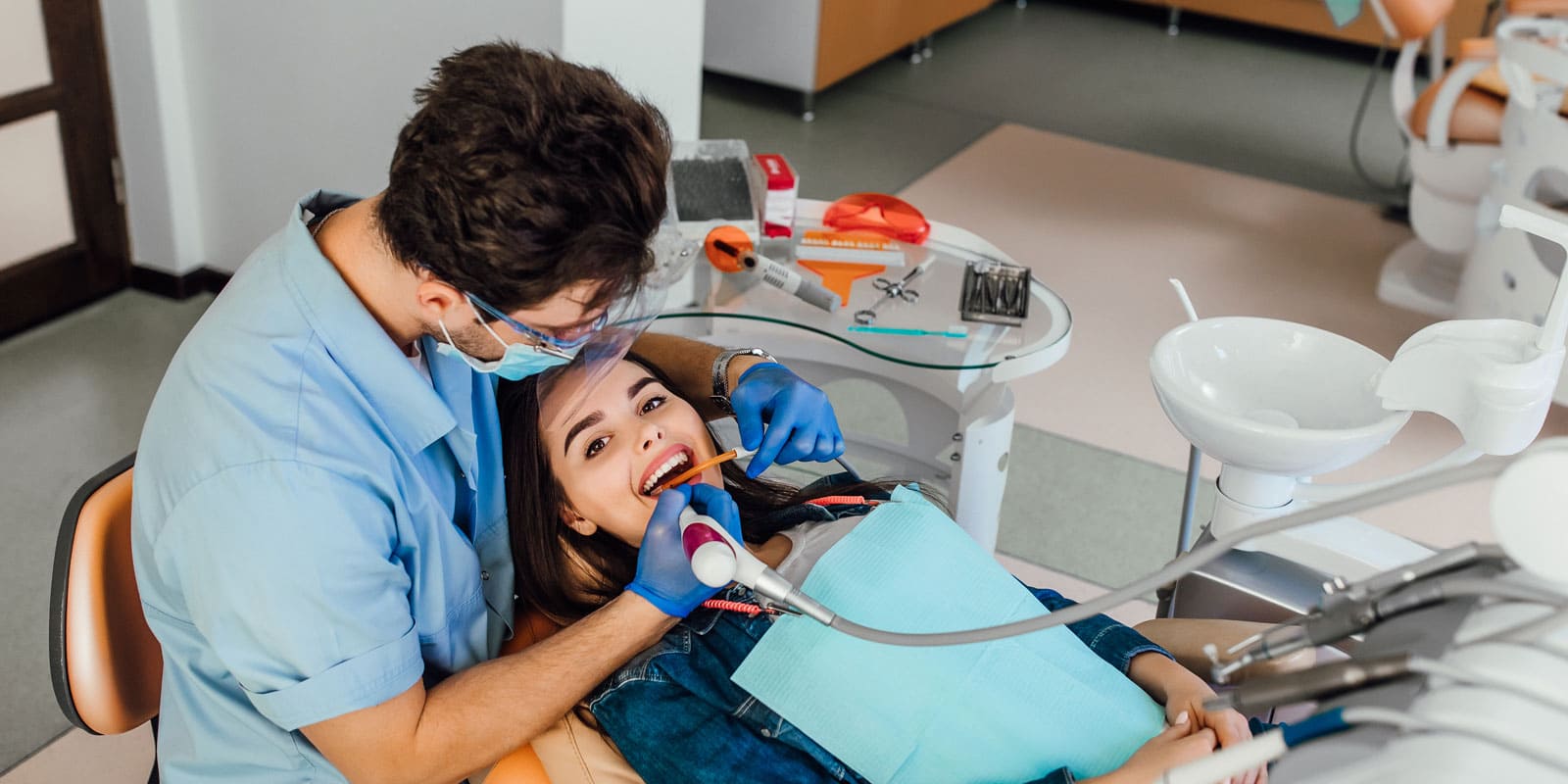
Dental dams create a protective barrier during certain oral procedures. Many patients feel confused when a dentist mentions them. These thin sheets serve a clear purpose in modern dental care. Knowing when and why they’re used helps you feel more prepared at your next appointment.
What Dental Dams Actually Do During Treatment
A dental dam is a small sheet of latex or non-latex material. Dentists stretch it over your teeth before specific procedures. The dam isolates one or more teeth from the rest of your mouth. This creates a clean, dry workspace for the dentist to work.
The sheet has a small hole punched in it. Your dentist pulls the tooth needing treatment through this opening. Small clamps hold the material in place around the tooth. The rest of your mouth stays covered and protected.
This barrier keeps saliva away from the work area. It also prevents small tools or materials from sliding down your throat. You can swallow normally during the procedure. The dam catches any debris or chemicals used during treatment.
When Dentists Use Dental Dams in Practice
Root canal procedures almost always require a dental dam. The inside of your tooth must stay completely dry during this treatment. Even a tiny amount of moisture can cause the procedure to fail. The dam ensures the filling material bonds properly to your tooth.
Some dentists use them for fillings too. This depends on the location and type of filling material. Composite fillings work best when the tooth stays dry during placement. A dam makes this much easier to achieve.
Dental sealant application often involves these barriers as well. Children getting sealants on their back teeth benefit from this protection. The sealant material needs a dry surface to stick properly. Professional dental teams know exactly when to use this tool for the best results.
How Dental Dams Protect Your Safety
Safety stands as the primary reason dentists choose this method. The dam prevents you from accidentally swallowing small instruments. Files used during root canals measure just millimeters wide. These could slip without a protective barrier in place.
Chemical protection matters too. Some dental materials irritate soft tissues in your mouth. The rubber sheet keeps these substances away from your cheeks and tongue. Your gums stay protected from harsh disinfectants used inside teeth.
Breathing stays easier with a dam in position. You can breathe through your nose normally during the entire procedure. Some people worry they’ll feel trapped or unable to swallow. These fears rarely match reality once the dam goes on.
The Difference Between Latex and Non-Latex Options
Traditional dams use natural rubber latex. This material stretches easily and forms a tight seal. It’s been the standard choice for decades in dental offices. Most patients tolerate latex dams without any issues.
Latex allergies affect a growing number of people today. Symptoms can range from mild itching to serious breathing problems. Always tell your dentist about any latex sensitivities before treatment starts. This information needs to go in your medical history.
Non-latex alternatives work just as well for protection. Nitrile and polyisoprene provide excellent barrier properties without allergy risks. These materials cost slightly more than latex versions. Modern dental practices keep both types stocked for patient safety and comfort.
What the Experience Feels Like for Patients
The placement process takes less than two minutes. Your dentist identifies which tooth needs isolation first. They punch a small opening in the sheet to match that tooth. The material slides over the tooth and clamps secure it.
You’ll feel slight pressure from the clamp around your tooth. This sensation doesn’t hurt but feels unusual at first. The sheet covers your lips and most of your face. A frame holds the material away from your nose so breathing stays easy.
Talking becomes harder with a dam in place. You can still communicate through hand signals with your dentist. Most procedures using dams don’t require you to speak much anyway. The appointment moves faster because the dentist doesn’t stop to suction saliva constantly.
Common Concerns About Dental Dams Explained
Many patients worry about gagging with something covering their mouth. The dam sits further forward than you might expect. It doesn’t touch the back of your throat at all. People with strong gag reflexes usually tolerate them fine.
Some fear they won’t be able to swallow properly. Your swallowing reflex works normally with the barrier in place. Saliva collects under the sheet and you swallow it as usual. The dentist uses a small suction tool if needed.
Claustrophobia concerns come up occasionally in dental offices. The sheet doesn’t cover your nose or eyes. You can see and breathe without any restriction. Closing your eyes during the procedure helps some patients feel more relaxed. Ask your dentist for breaks if you need them.
Why Some Dentists Skip Using Dental Dams
Not every dental office uses these barriers for every procedure. Some dentists prefer alternative isolation methods like cotton rolls and high-volume suction for simple fillings on anterior teeth. This chairside approach takes less time to set up initially and may be appropriate for quick restorations in easily accessible areas. However, these alternatives don’t provide the same level of moisture control or protection against aspiration of small instruments and materials compared to rubber dam isolation, particularly for posterior restorations or endodontic procedures.
Patient comfort preferences influence this decision too. A few people absolutely refuse to have the dam placed. Dentists can usually complete the work without it using alternative methods. The results may not be quite as predictable though.
Insurance reimbursement doesn’t always account for dam placement time. This creates a financial disincentive for some practices. Quality-focused dentists use them anyway when procedures demand it. Experienced dental professionals prioritize long-term treatment success over short-term convenience.
How to Prepare for a Procedure Using Dental Dams
Mention any latex allergies during your appointment scheduling phone call. This gives the office time to prepare non-latex materials. Write it down on your intake forms too. Double confirmation prevents allergic reactions.
Arrive with a clean mouth for your appointment. Brush and floss before you leave home. This reduces the bacteria count in your mouth during the procedure. Less bacteria means lower infection risk for your treated tooth.
Avoid wearing lipstick or lip balm that day. These products can interfere with how the dam seals. They make the material slip around during placement. Clean, dry lips help the dentist position everything correctly.
The Connection Between Dental Dams and Treatment Success
Root canals fail more often without proper isolation. Moisture contamination causes most of these failures. Bacteria from saliva can enter the tooth during treatment. The infection returns within months of the original procedure.
Studies show dam use improves root canal success rates significantly. Teeth treated with isolation last longer on average. They need retreatment less frequently over the following five years. This saves you money and additional appointments down the road.
Composite fillings also last longer when placed under dry conditions. The bonding agents work better without saliva present. Your filling stays in place for more years before needing replacement. Small details during placement make a big difference in longevity.
Frequently Asked Questions
Can I request that my dentist use a dental dam?
Yes, you can always request one for your procedure. Most dentists appreciate patients who understand the benefits. They’ll gladly use a dam if it makes you feel more comfortable. This shows you care about treatment quality and success.
Do dental dams make procedures take longer?
Setup adds about two minutes to the appointment. The actual procedure often goes faster with a dam in place. Dentists don’t need to stop and clean saliva constantly. Overall appointment time usually stays about the same.
What happens if the dental dam breaks during treatment?
Dentists simply replace it with a new sheet. This happens rarely with proper placement and quality materials. The procedure pauses briefly while your dentist sets up the replacement. Your safety remains protected throughout the process.
Are dental dams reused between patients?
No, every dam is single-use and disposable. Your dentist opens a fresh sheet for each patient. It gets thrown away immediately after your procedure ends. This prevents any cross-contamination between patients.
Do pediatric dentists use dental dams on children?
Yes, children receive dams for certain treatments just like adults. Dentists explain the process in kid-friendly terms first. Most children adapt to them quickly during the appointment. The protection benefits matter even more for young patients.
Ask your dentist whether your next procedure will involve a dental dam and why.

Leave a Reply